
Online grocery shopping has become one of the fastest-growing parts of the ecommerce industry. Customers today prefer convenience, time-saving solutions, and easy access to essential products without needing to visit physical stores regularly. As digital commerce continues to expand globally, grocery ecommerce platforms are transforming the way people purchase everyday necessities.
From busy households to businesses that require regular supply management, online grocery shopping provides a more flexible and organized solution for purchasing food and daily essentials.
Convenience for Modern Lifestyles
One of the biggest reasons for the growth of online grocery shopping is convenience. Customers can browse products, compare options, place orders, and complete purchases directly from their computer or mobile device.
This process saves time and reduces the need for multiple shopping trips. Customers can order essential items from home, the office, or while traveling, making grocery shopping more accessible and efficient for modern lifestyles.
Online platforms also allow customers to shop at any time of the day, providing flexibility that traditional physical stores may not always offer.
Better Product Accessibility
Ecommerce grocery platforms help customers access a wider range of products in one place. Instead of visiting multiple stores, customers can explore different categories and find essential grocery items through a single online platform.
This improves the shopping experience and allows customers to make purchasing decisions more easily. Businesses can also present products in a more organized manner through digital categories, search systems, and detailed product information.
Support for Wholesale and Bulk Orders
Online grocery ecommerce platforms are not limited to individual retail customers. Many businesses, restaurants, small shops, and commercial buyers also benefit from online ordering systems.
Wholesale customers can place bulk orders more efficiently, communicate directly regarding larger quantity requirements, and simplify inventory planning. Ecommerce systems help businesses manage orders faster and improve supply coordination.
This flexibility allows grocery ecommerce companies to support both household consumers and commercial clients through the same operational structure.
Improved Order Management and Delivery Systems
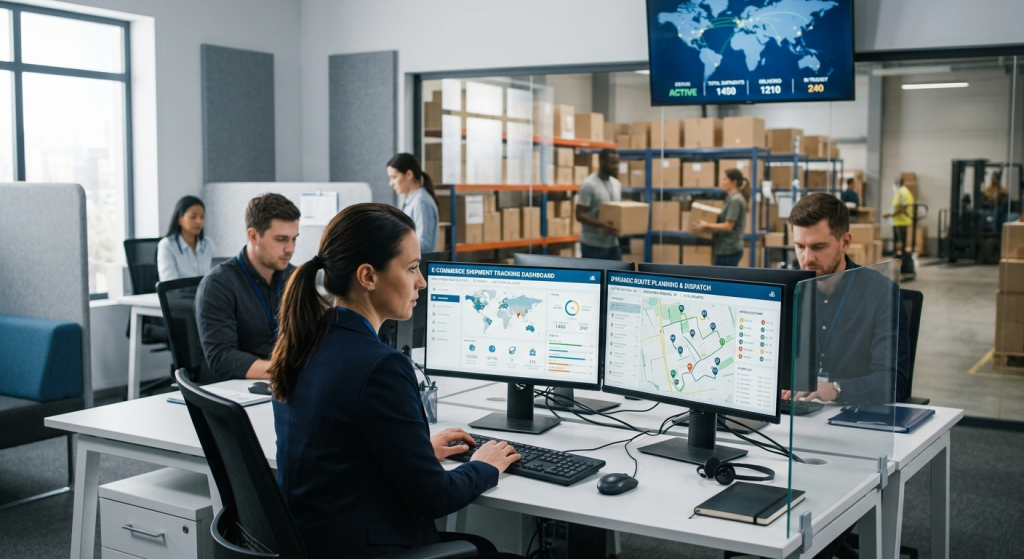
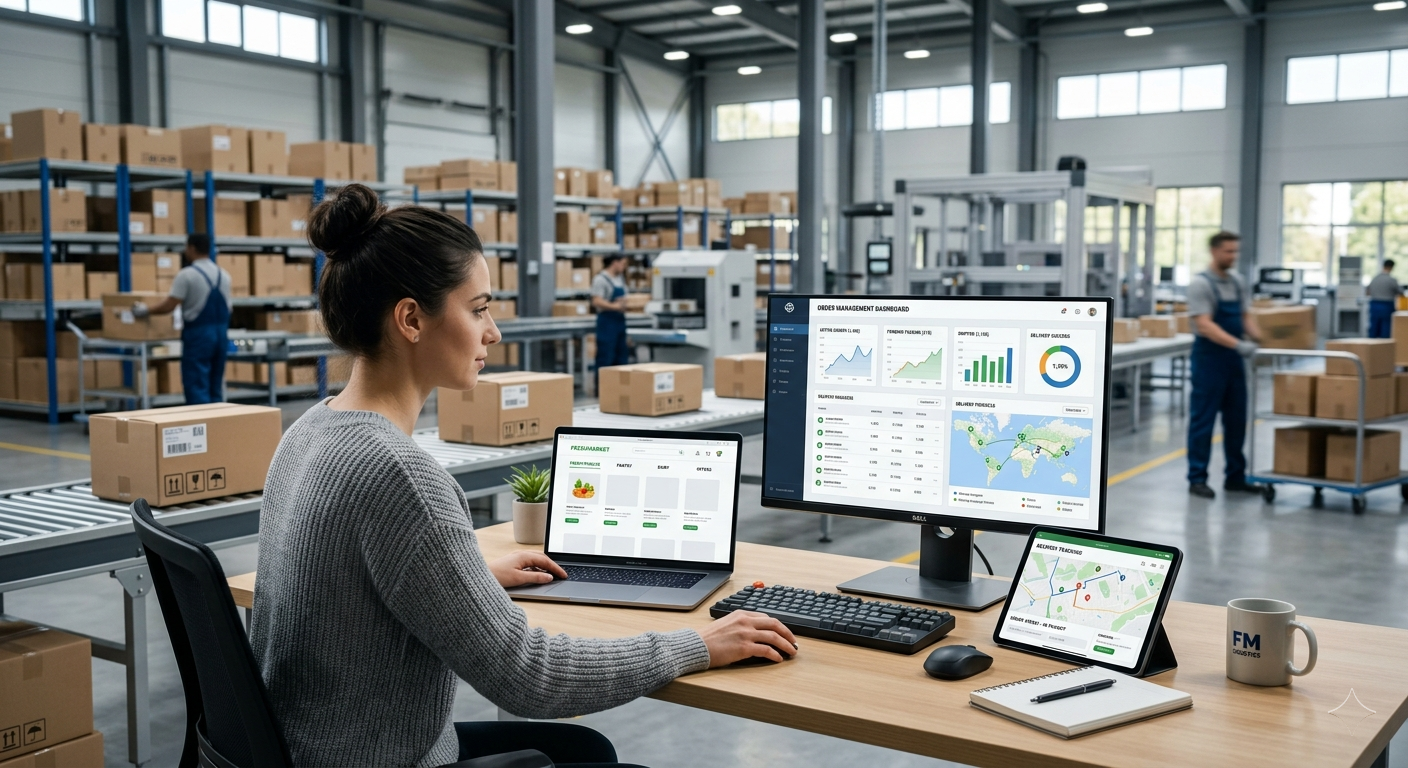
Modern ecommerce systems have improved how grocery orders are processed and delivered. Orders can now be tracked digitally, reducing errors and improving transparency throughout the delivery process.
Reliable logistics coordination helps businesses manage deliveries more efficiently and ensures customers receive their orders within expected timeframes. Organized order management systems also improve communication between businesses and customers.
As logistics technology continues to improve, ecommerce grocery businesses are able to provide smoother and more reliable shopping experiences.
Growing Customer Trust in Ecommerce
Customers are becoming increasingly comfortable purchasing grocery products online. Secure ordering systems, transparent business information, customer support accessibility, and clear company policies all contribute to building trust in ecommerce businesses.
Professional ecommerce platforms that clearly explain their operations, delivery process, and customer policies help users feel more confident when placing orders online.
Trust and transparency are especially important for businesses involved in grocery and food distribution because customers rely on consistent service and product reliability.
The Future of Grocery Ecommerce
The future of grocery ecommerce continues to grow as more consumers adopt digital shopping habits. Businesses are investing in better online experiences, improved delivery systems, and stronger supply chain management to meet increasing demand.
Technology, logistics, and ecommerce integration will continue to shape how grocery products are distributed globally. Businesses that maintain reliable operations and customer-focused services are likely to see long-term growth in the evolving ecommerce market.
Conclusion
Online grocery shopping is changing the way customers and businesses purchase everyday essentials. Convenience, accessibility, organized delivery systems, and improved ecommerce technology have made digital grocery platforms an important part of modern commerce.
As ecommerce continues to expand worldwide, grocery businesses that focus on reliability, transparency, and efficient service will continue to play a key role in the future of retail and wholesale distribution.